
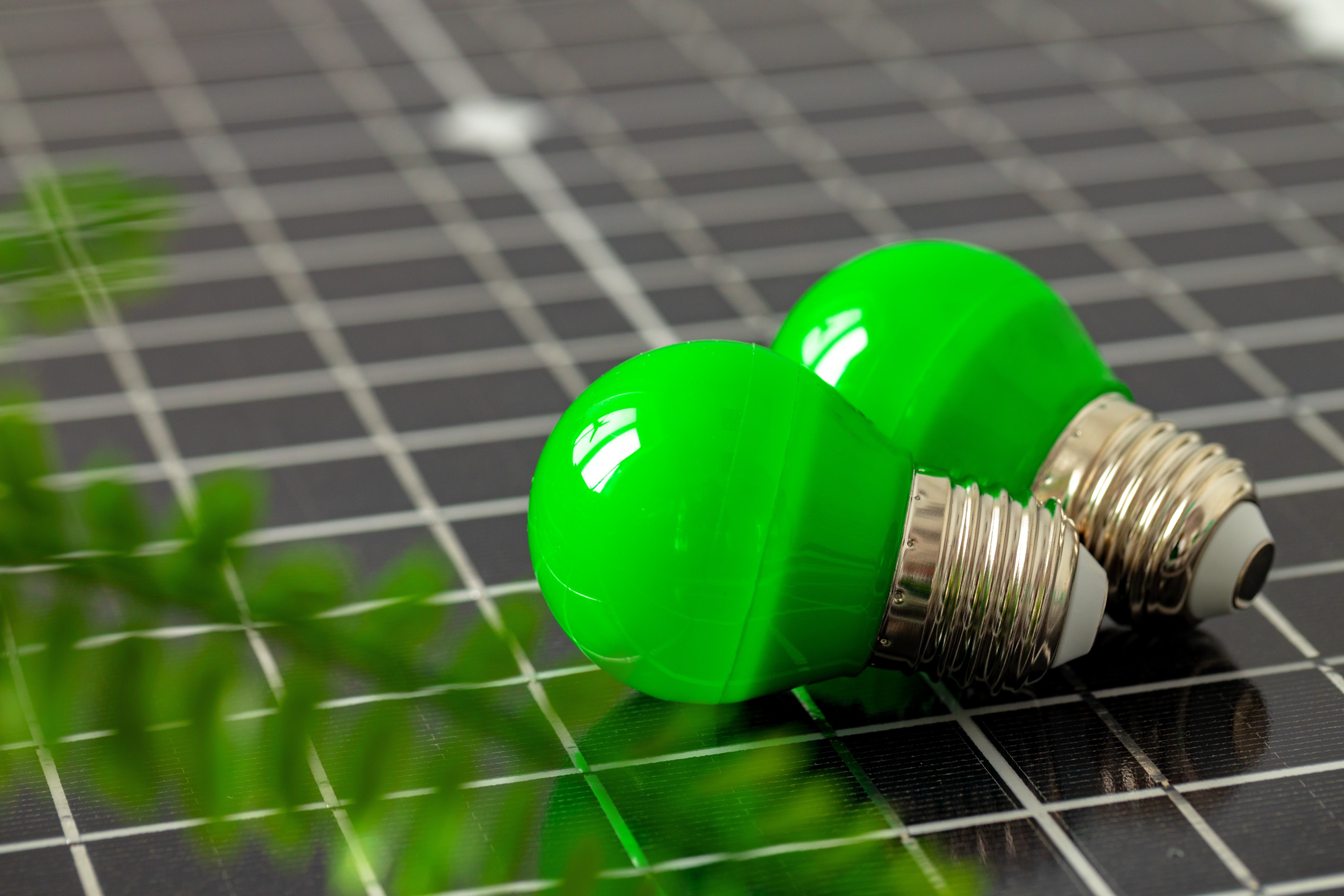
Bioelectricity
Bioelectricity is a form of renewable energy generated through the conversion of organic materials into electrical energy. This process typically involves the use of biomass, which includes plant-based materials, agricultural residues, animal waste, and even organic waste from landfills. Bioelectricity can be produced through various methods, including combustion, microbial fuel cells, and anaerobic digestion, depending on the type of biomass and the desired energy output.
Benefits of Bioelectricity
Carbon Neutrality
The combustion of biomass releases carbon dioxide (CO₂) into the atmosphere, but this is offset by the CO₂ absorbed by plants during their growth. This creates a closed carbon cycle, making bioelectricity a relatively low-carbon energy source.
Renewability
Biomass resources are renewable, meaning they can be replenished over time. Unlike fossil fuels, which are finite, bioelectricity provides a continuous energy supply as long as organic materials are available.
Waste Reduction
Using organic waste materials for bioelectricity production helps reduce the amount of waste sent to landfills, diverting it into productive uses and lowering waste management costs.
Energy Security
Bioelectricity can be produced locally, reducing dependence on imported fossil fuels and contributing to greater energy security for regions and countries.
In conclusion, bioelectricity represents a promising path to sustainable energy, offering both environmental and economic benefits. It allows for the use of organic waste to generate clean power, contributing to waste management, carbon reduction, and energy diversification. As technology advances, bioelectricity could play an even more significant role in the global shift toward renewable energy solutions.