
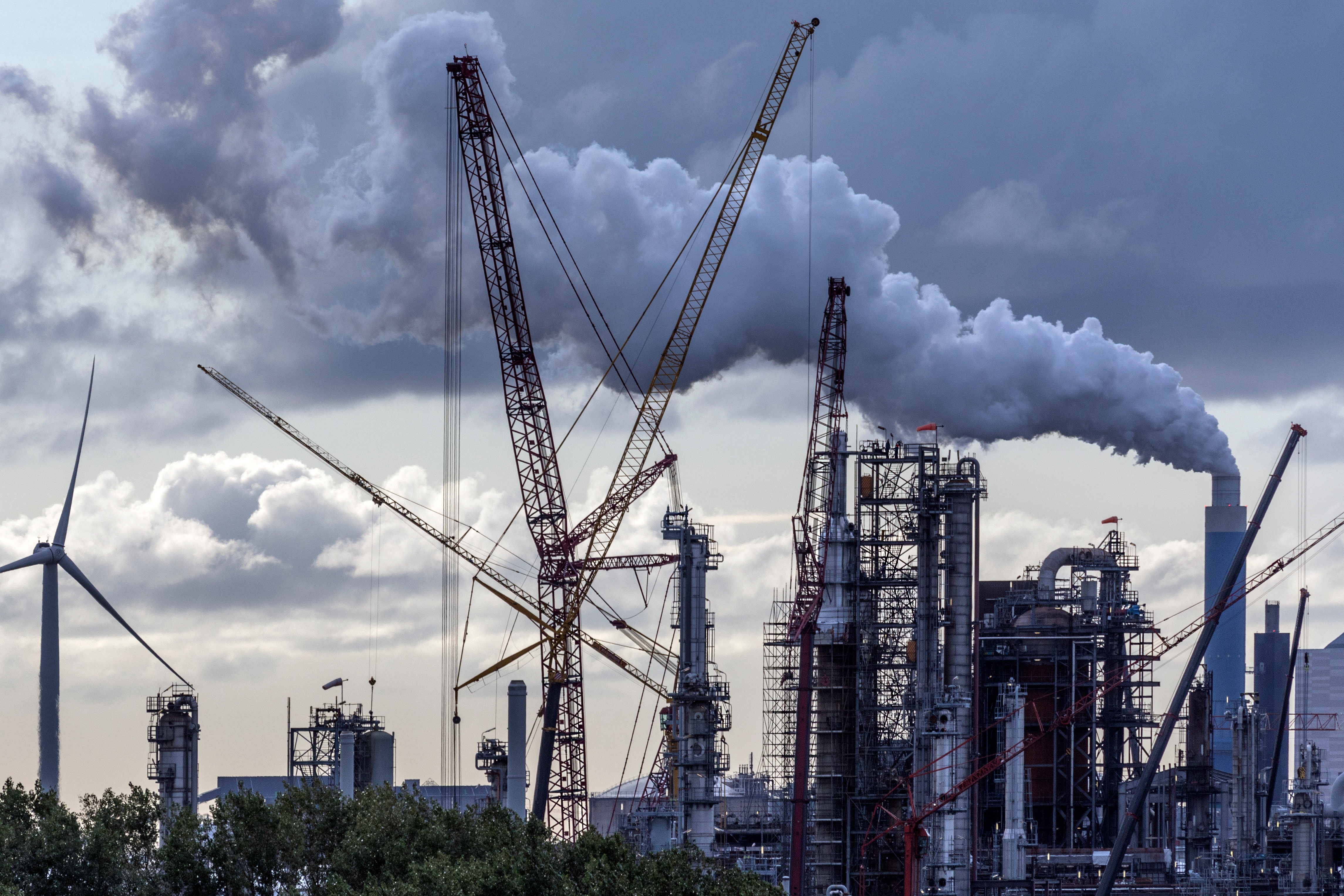
Carbon Capture Program
A Carbon Capture Program refers to a set of technologies and strategies aimed at capturing carbon dioxide (CO₂) emissions from various sources, such as power plants, industrial processes, and transportation, before they are released into the atmosphere. The goal of these programs is to mitigate the effects of climate change by reducing the amount of CO₂ in the air, a major greenhouse gas responsible for global warming.
Benefits of Carbon Capture
Mitigating Climate Change
By capturing and storing CO₂, carbon capture programs can significantly reduce the amount of greenhouse gases in the atmosphere, contributing to the global effort to mitigate climate change.
Supporting Transition to Clean Energy
Carbon capture enables the continued use of fossil fuels in a cleaner way, acting as a bridge technology while renewable energy sources are scaled up.
Economic Opportunities
The development and deployment of carbon capture technologies create new economic opportunities in industries like construction, engineering, and energy, as well as potential markets for CO₂ utilization.
Compliance with Emission Reduction Targets
For countries and industries aiming to meet stringent climate targets, carbon capture provides a means to reduce emissions from hard-to-abate sectors, including cement, steel, and chemical industries.
carbon capture programs are a crucial part of the global effort to combat climate change. By capturing and storing CO₂ emissions from power plants, industrial processes, and even the air itself, these programs can help reduce atmospheric CO₂ levels and pave the way toward a sustainable, low-carbon future.