
Tyre Recycling
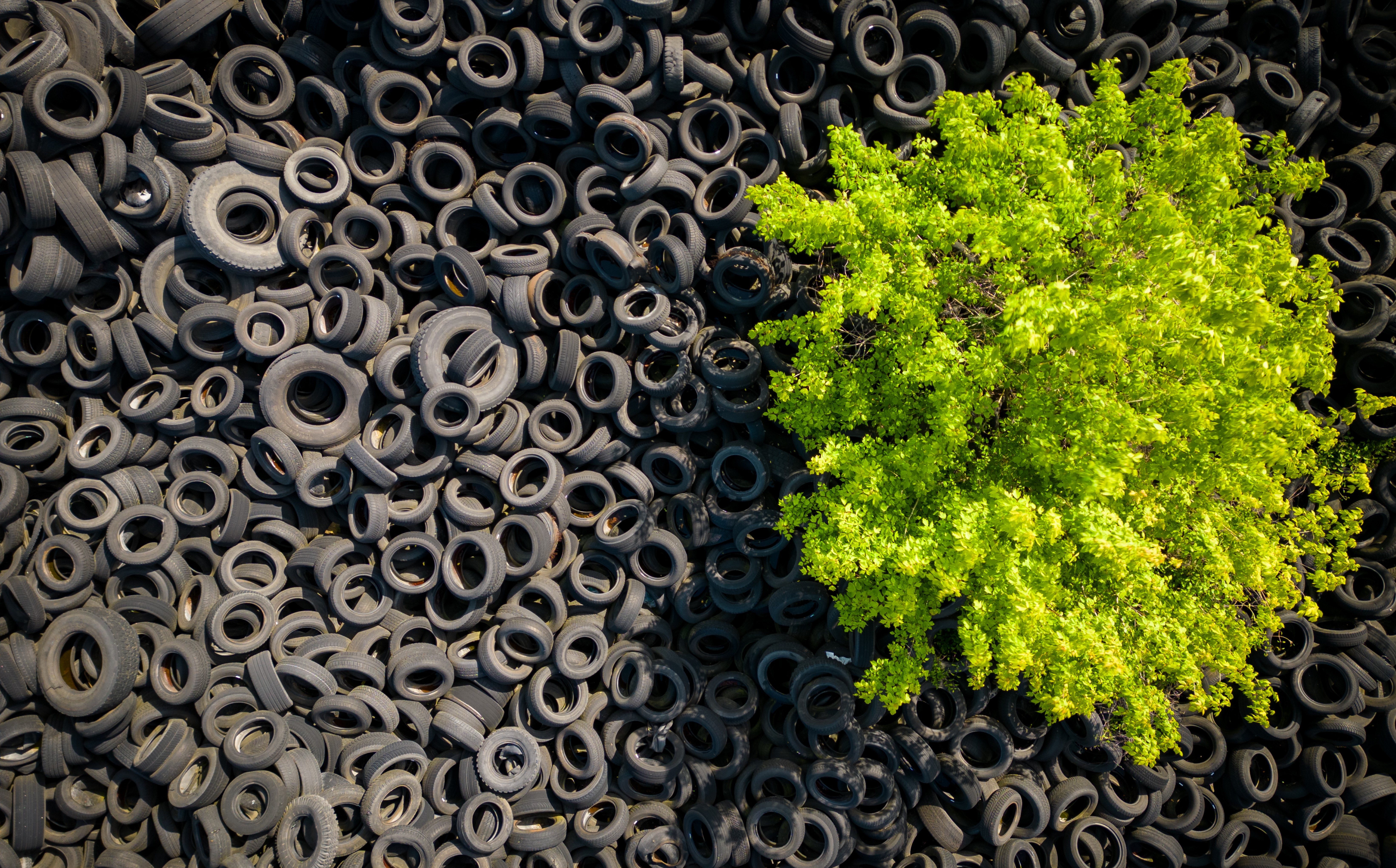
Tyre recycling refers to the process of reusing and repurposing old or worn-out tyres, which would otherwise be discarded into landfills or incinerated. Since tyres are made from durable materials such as rubber, steel, and fabric, they don’t decompose easily, causing environmental harm. Through recycling, these materials are separated and transformed into new products or used as an energy source.
How Is Tyre Recycling Helpful for the Environment?
Waste Reduction
Recycling tyres helps reduce the accumulation of tyre waste, which is a growing environmental issue. Over 1 billion tyres are discarded globally each year, and many end up in landfills, where they take centuries to decompose
Prevention of Pollution
Old tyres often accumulate in illegal dump sites, where they can attract water and become breeding grounds for mosquitoes, leading to health risks. They can also release harmful chemicals and oils into the soil and water when they break down.
Conservation of Resources
Recycling tyres saves raw materials and reduces the need for manufacturing new products from virgin resources. It contributes to the conservation of natural resources, reducing the overall environmental footprint.
Reduction in Greenhouse Gas Emissions
Recycling tyres instead of burning them or letting them decay helps to minimize the emissions of harmful gases like carbon dioxide (CO2) and methane, both of which contribute to climate change.
Tyre recycling is an essential process that helps mitigate environmental issues caused by tyre waste while providing alternative energy resources. By converting used tyres into energy and valuable materials, we can reduce pollution, conserve resources, and contribute to a circular economy.