
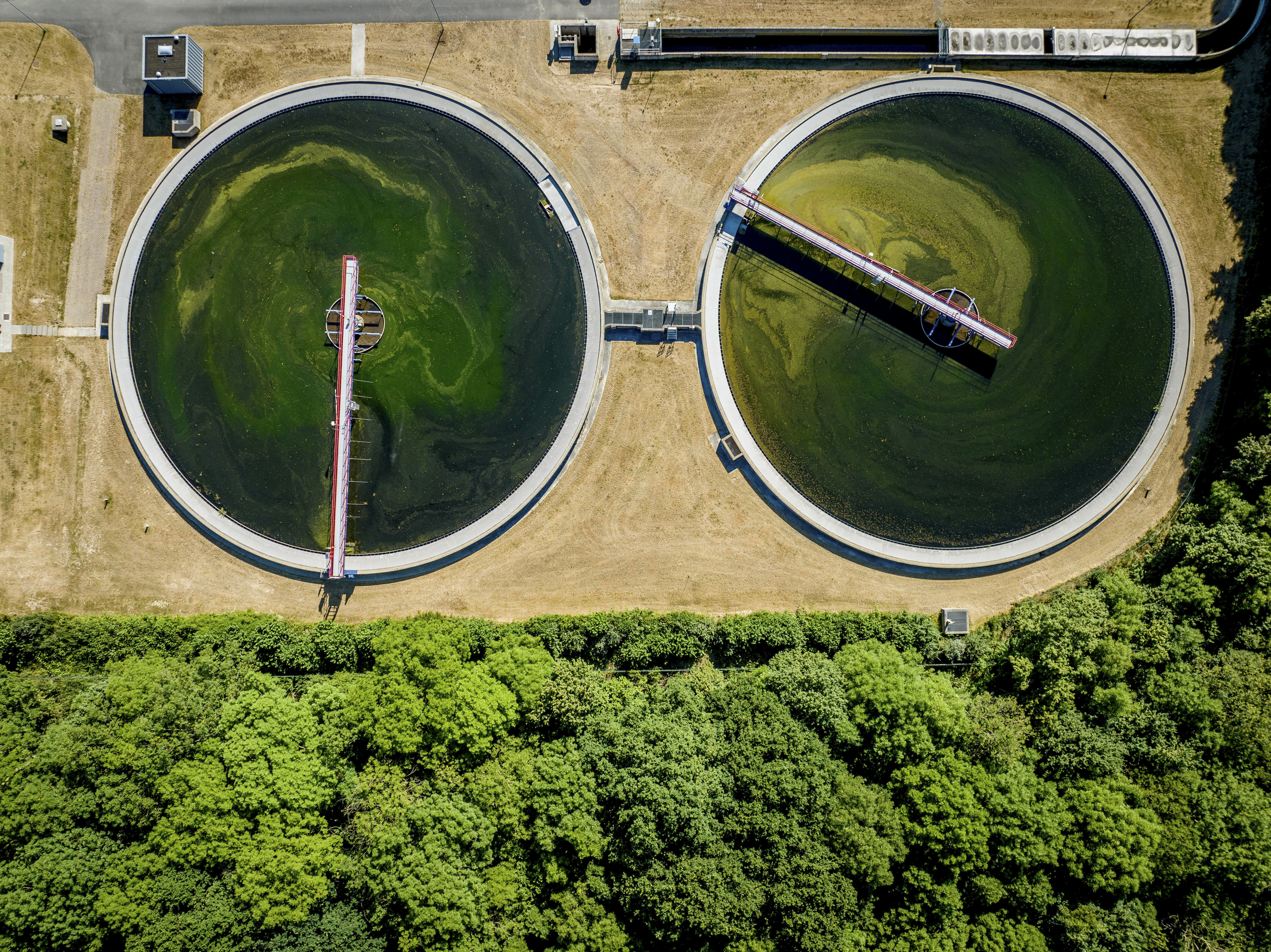
Industrial water waste Management
Industrial wastewater treatment refers to the processes used to remove contaminants from water that is produced as a by-product of industrial activities. Industrial wastewater can come from a variety of sources such as factories, manufacturing plants, mining operations, food processing, chemical production, and power generation. This water can contain a wide range of pollutants, including organic matter, chemicals, metals, oils, grease, sediments, and toxins.
Benefits of Industrial Wastewater Treatment
Environmental Protection
Proper treatment ensures that harmful pollutants and contaminants are removed from wastewater before it is discharged into the environment, preventing pollution of water bodies, soil, and ecosystems.
Resource Recovery
In many cases, industrial wastewater treatment can recover valuable resources. For example, certain industries can recover metals from wastewater or reuse treated water in production processes, reducing the need for fresh water.
Compliance with Regulations
Many industries are required to meet strict wastewater discharge regulations set by environmental authorities. Wastewater treatment ensures that industries comply with environmental laws and avoid fines or legal penalties.
Energy Efficiency
Some advanced treatment processes can produce energy (e.g., biogas from anaerobic digestion) or recover heat, making the treatment process more energy-efficient and cost-effective.
Industrial wastewater treatment plays a crucial role in protecting the environment and ensuring that industries can operate sustainably. By removing pollutants and contaminants from wastewater, industries reduce their environmental impact, conserve valuable resources, and comply with regulatory standards. While challenges remain, including the costs of treatment and the complexity of wastewater composition, ongoing advancements in technology continue to improve the efficiency and effectiveness of wastewater treatment systems. Ultimately, effective industrial wastewater management is essential for reducing pollution, safeguarding public health, and promoting a more sustainable future.