
Biogas Energy
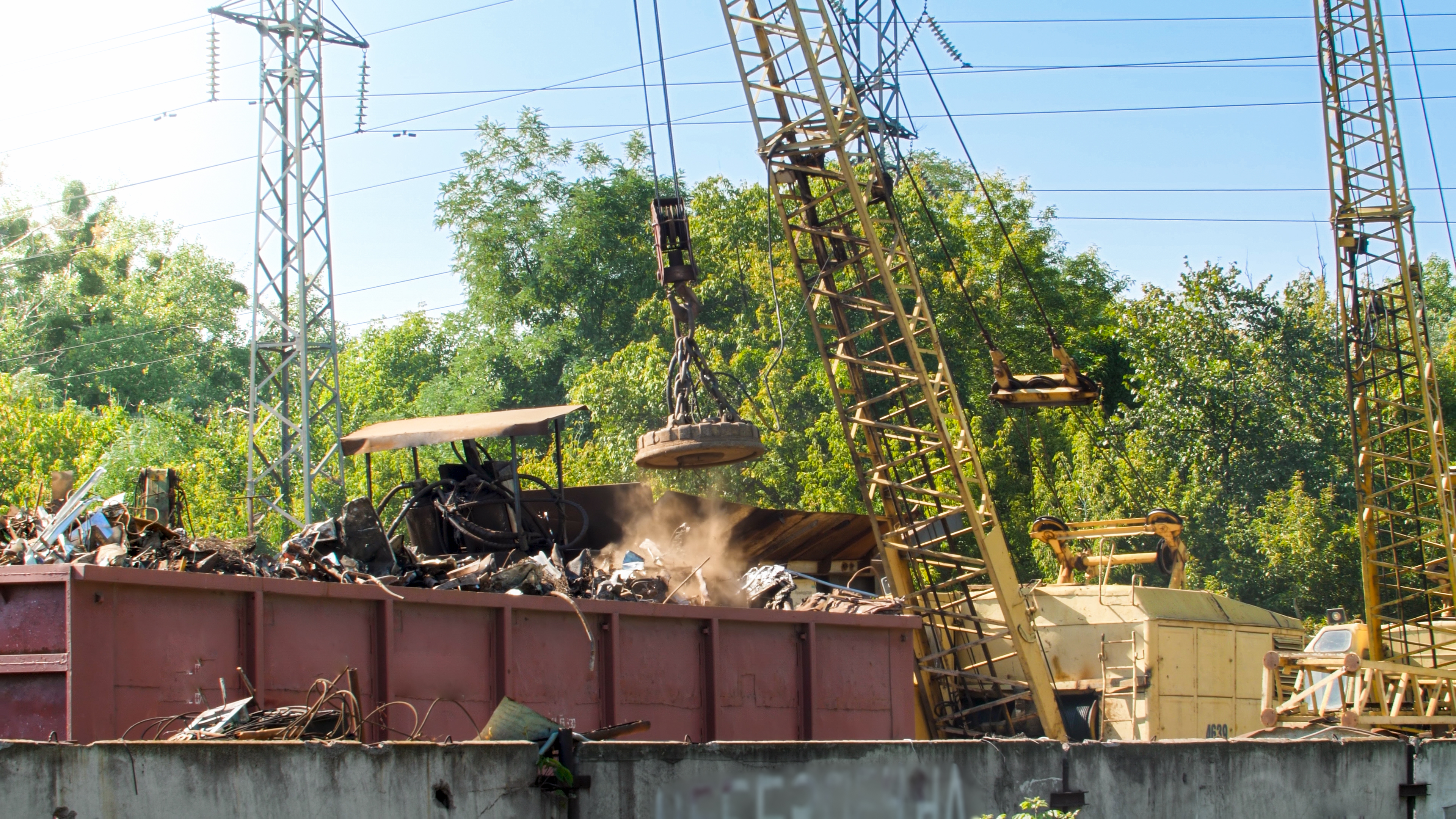
Vehicle waste refers to the by-products, materials, and components that are discarded or no longer usable after a vehicle has reached the end of its life cycle or has been involved in an accident. It includes a wide variety of waste products generated during the manufacturing, use, and disposal of vehicles. This waste can range from scrap metal, tires, and plastics to hazardous materials such as motor oil, batteries, and chemicals.
Types of Vehicle Waste
End-of-Life Vehicles (ELVs)
When a vehicle is no longer in use or is too old to be repaired, it is typically sent to a recycling facility. These vehicles often contain valuable materials such as metals (steel, aluminum), plastics, rubber (from tires), and glass.
Automobile Parts Waste
Parts that wear out over time, such as tires, filters, and exhaust systems, can create waste when they are replaced or damaged. These parts can often be recycled or repurposed, though their disposal is heavily regulated.
Vehicle Fluids
This includes motor oil, transmission fluid, brake fluid, coolant, and power steering fluid. These fluids are essential for vehicle operation, but when disposed of improperly, they can pose significant environmental hazards.
Batteries
Both traditional lead-acid batteries (used in most vehicles) and lithium-ion batteries (used in electric vehicles) must be properly recycled. These batteries can leak harmful chemicals if disposed of incorrectly.
Vehicle waste represents a significant environmental challenge, but it also offers opportunities for resource recovery and recycling. By properly managing vehicle waste, we can recycle valuable materials like metals, plastics, and glass, reduce the need for new resources, and lower the environmental impact of the automotive industry. Through effective recycling practices, vehicle waste can be transformed into valuable products, contributing to a more sustainable, circular economy.